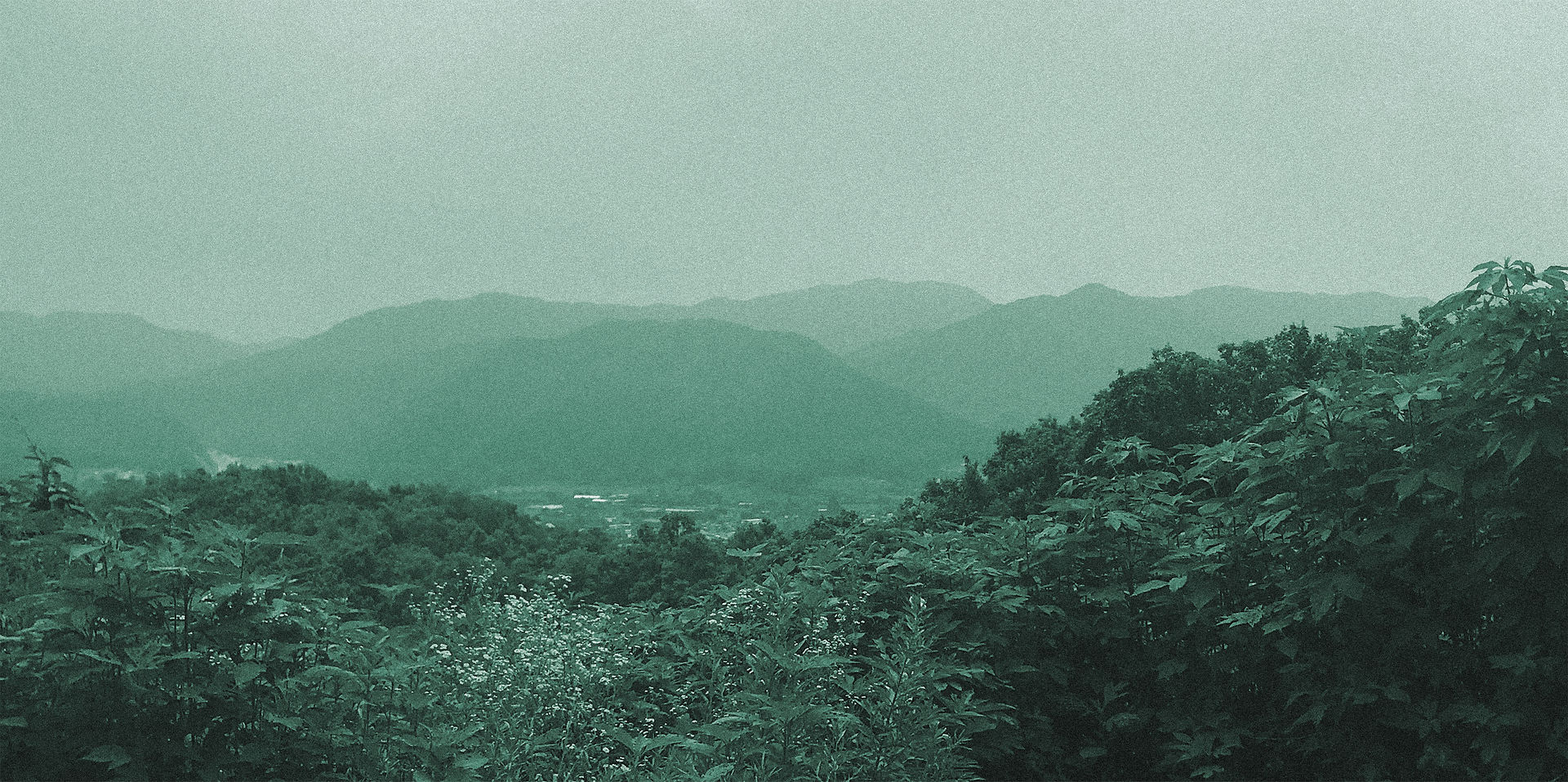
Korean War 25 June 1950 - 27 July 1953
By 1950, Korea had already been in an unstable political situation for many years. The country had been a Japanese colony since 1910, but following allied summit meetings held during World War II, it was to be given back its independence. In the interim, it was agreed that the Soviet Union would support the country north of the 38th parallel line, and a US military administration would watch over the south.
On 25 June 1950, North Korean soldiers invaded the south and were only halted when they reached Pusan. The UN’s involvement saw the south reclaimed but in November, communist China joined the North Korean cause and Seoul was retaken. However, UN forces fought back once again to the 38th parallel.
A waiting game ensued.
Battle of Imjin River 22 - 25 April 1951
In Spring 1951, 1st Battalion, The Gloucestershire Regiment - as part of the 29th Independent Infantry Brigade under UN command - were positioned on hilltops, guarding an ancient route that led across the Imjin River and on to Seoul. On 22 April, the Chinese crossed the river in their thousands. The Glosters’ ‘A’ Company on Hill 148 (Castle Hill) took the brunt of the initial onslaught. Many were killed or injured. Ferocious fighting spread as the Chinese sent wave after wave of soldiers into attack.
Despite their determination to hold position, the odds were stacked against The Glosters by the sheer number of Chinese and the superiority of their weapons. With support units unable to send fresh supplies to the hills, the Glosters were forced back to Hill 235 - later known as Gloster Hill. After three and a half days of intense fighting, without food or water and with ammunition running low, The Glosters were eventually ordered to leave the hill and make their own way to safety.


Prisoners of War in Captivity
Over 500 Glosters were captured by the Chinese. Hungry and exhausted, they were forced to walk hundreds of miles into North Korea to the desperately inadequate prisoner of war camps close to the Chinese border.
The camps were brutal. Some men were put into solitary confinement. Others, into small bamboo cages, unable to move, were burnt by cigarette butts and urinated on. The POWs attended daily brainwashing sessions - forced to listen to Communist doctrine for hour after hour, sitting on cold floors in freezing conditions through winter, and in the terrible heat surrounded by flies in summer. Those in the so-called reactionaries’ camp barely ate. Many had parasitic tapeworms, dysentery, typhoid or beriberi. The first winter, they counted the bodies of over twenty US POWs being dragged away through the snow every day. Those who survived remained there for almost two and a half years.
Impact of the Battle
The POWs included thirteen soldiers from the Forest of Dean of whom eleven were young national servicemen. They returned home in September 1953 - not to a heroes’ welcome but to questioning and suspicion by the authorities who were desperate to know if the Communist propaganda had ‘turned’ their young men. Many suffered terribly from the trauma of what they had witnessed in battle and the inhumanity they had lived through in captivity. Most of them never spoke to their families about their experiences.
What the soldiers didn't know during their captivity was that the battle had played a pivotal role in keeping the Republic of Korea a free and democratic country. The Glosters’ tenacity against all odds to hold their position delayed the Chinese for three and a half days - enough time for UN forces to pull back resources to defend Seoul. Today, The Glosters’ action in the hills is still revered by the South Koreans.